Power/SPH value on your contact lens prescription indicates the lens strength required to correct your vision. This value is measured in diopters. Zero (0.00) indicates no vision correction is necessary. A negative value (e.g., -2.50) corrects nearsightedness (difficulty seeing distant objects). A positive value (e.g., +1.75) corrects farsightedness (difficulty seeing close objects). You can typically find this information on the packaging of your previous contact lenses.
Power/SPH value on your contact lens prescription indicates the lens strength required to correct your vision. This value is measured in diopters. Zero (0.00) indicates no vision correction is necessary. A negative value (e.g., -2.50) corrects nearsightedness (difficulty seeing distant objects). A positive value (e.g., +1.75) corrects farsightedness (difficulty seeing close objects). You can typically find this information on the packaging of your previous contact lenses.
Power/SPH value on your contact lens prescription indicates the lens strength required to correct your vision. This value is measured in diopters. Zero (0.00) indicates no vision correction is necessary. A negative value (e.g., -2.50) corrects nearsightedness (difficulty seeing distant objects). A positive value (e.g., +1.75) corrects farsightedness (difficulty seeing close objects). You can typically find this information on the packaging of your previous contact lenses.
Power/SPH value on your contact lens prescription indicates the lens strength required to correct your vision. This value is measured in diopters. Zero (0.00) indicates no vision correction is necessary. A negative value (e.g., -2.50) corrects nearsightedness (difficulty seeing distant objects). A positive value (e.g., +1.75) corrects farsightedness (difficulty seeing close objects). You can typically find this information on the packaging of your previous contact lenses.
Power/SPH value on your contact lens prescription indicates the lens strength required to correct your vision. This value is measured in diopters. Zero (0.00) indicates no vision correction is necessary. A negative value (e.g., -2.50) corrects nearsightedness (difficulty seeing distant objects). A positive value (e.g., +1.75) corrects farsightedness (difficulty seeing close objects). You can typically find this information on the packaging of your previous contact lenses.
Power/SPH value on your contact lens prescription indicates the lens strength required to correct your vision. This value is measured in diopters. Zero (0.00) indicates no vision correction is necessary. A negative value (e.g., -2.50) corrects nearsightedness (difficulty seeing distant objects). A positive value (e.g., +1.75) corrects farsightedness (difficulty seeing close objects). You can typically find this information on the packaging of your previous contact lenses.
Power/SPH value on your contact lens prescription indicates the lens strength required to correct your vision. This value is measured in diopters. Zero (0.00) indicates no vision correction is necessary. A negative value (e.g., -2.50) corrects nearsightedness (difficulty seeing distant objects). A positive value (e.g., +1.75) corrects farsightedness (difficulty seeing close objects). You can typically find this information on the packaging of your previous contact lenses.
Power/SPH value on your contact lens prescription indicates the lens strength required to correct your vision. This value is measured in diopters. Zero (0.00) indicates no vision correction is necessary. A negative value (e.g., -2.50) corrects nearsightedness (difficulty seeing distant objects). A positive value (e.g., +1.75) corrects farsightedness (difficulty seeing close objects). You can typically find this information on the packaging of your previous contact lenses.
Power/SPH value on your contact lens prescription indicates the lens strength required to correct your vision. This value is measured in diopters. Zero (0.00) indicates no vision correction is necessary. A negative value (e.g., -2.50) corrects nearsightedness (difficulty seeing distant objects). A positive value (e.g., +1.75) corrects farsightedness (difficulty seeing close objects). You can typically find this information on the packaging of your previous contact lenses.
Power/SPH value on your contact lens prescription indicates the lens strength required to correct your vision. This value is measured in diopters. Zero (0.00) indicates no vision correction is necessary. A negative value (e.g., -2.50) corrects nearsightedness (difficulty seeing distant objects). A positive value (e.g., +1.75) corrects farsightedness (difficulty seeing close objects). You can typically find this information on the packaging of your previous contact lenses.
Power/SPH value on your contact lens prescription indicates the lens strength required to correct your vision. This value is measured in diopters. Zero (0.00) indicates no vision correction is necessary. A negative value (e.g., -2.50) corrects nearsightedness (difficulty seeing distant objects). A positive value (e.g., +1.75) corrects farsightedness (difficulty seeing close objects). You can typically find this information on the packaging of your previous contact lenses.
Power/SPH value on your contact lens prescription indicates the lens strength required to correct your vision. This value is measured in diopters. Zero (0.00) indicates no vision correction is necessary. A negative value (e.g., -2.50) corrects nearsightedness (difficulty seeing distant objects). A positive value (e.g., +1.75) corrects farsightedness (difficulty seeing close objects). You can typically find this information on the packaging of your previous contact lenses.
Power/SPH value on your contact lens prescription indicates the lens strength required to correct your vision. This value is measured in diopters. Zero (0.00) indicates no vision correction is necessary. A negative value (e.g., -2.50) corrects nearsightedness (difficulty seeing distant objects). A positive value (e.g., +1.75) corrects farsightedness (difficulty seeing close objects). You can typically find this information on the packaging of your previous contact lenses.
Power/SPH value on your contact lens prescription indicates the lens strength required to correct your vision. This value is measured in diopters. Zero (0.00) indicates no vision correction is necessary. A negative value (e.g., -2.50) corrects nearsightedness (difficulty seeing distant objects). A positive value (e.g., +1.75) corrects farsightedness (difficulty seeing close objects). You can typically find this information on the packaging of your previous contact lenses.
Power/SPH value on your contact lens prescription indicates the lens strength required to correct your vision. This value is measured in diopters. Zero (0.00) indicates no vision correction is necessary. A negative value (e.g., -2.50) corrects nearsightedness (difficulty seeing distant objects). A positive value (e.g., +1.75) corrects farsightedness (difficulty seeing close objects). You can typically find this information on the packaging of your previous contact lenses.
Power/SPH value on your contact lens prescription indicates the lens strength required to correct your vision. This value is measured in diopters. Zero (0.00) indicates no vision correction is necessary. A negative value (e.g., -2.50) corrects nearsightedness (difficulty seeing distant objects). A positive value (e.g., +1.75) corrects farsightedness (difficulty seeing close objects). You can typically find this information on the packaging of your previous contact lenses.
Power/SPH value on your contact lens prescription indicates the lens strength required to correct your vision. This value is measured in diopters. Zero (0.00) indicates no vision correction is necessary. A negative value (e.g., -2.50) corrects nearsightedness (difficulty seeing distant objects). A positive value (e.g., +1.75) corrects farsightedness (difficulty seeing close objects). You can typically find this information on the packaging of your previous contact lenses.
Power/SPH value on your contact lens prescription indicates the lens strength required to correct your vision. This value is measured in diopters. Zero (0.00) indicates no vision correction is necessary. A negative value (e.g., -2.50) corrects nearsightedness (difficulty seeing distant objects). A positive value (e.g., +1.75) corrects farsightedness (difficulty seeing close objects). You can typically find this information on the packaging of your previous contact lenses.
Power/SPH value on your contact lens prescription indicates the lens strength required to correct your vision. This value is measured in diopters. Zero (0.00) indicates no vision correction is necessary. A negative value (e.g., -2.50) corrects nearsightedness (difficulty seeing distant objects). A positive value (e.g., +1.75) corrects farsightedness (difficulty seeing close objects). You can typically find this information on the packaging of your previous contact lenses.
Power/SPH value on your contact lens prescription indicates the lens strength required to correct your vision. This value is measured in diopters. Zero (0.00) indicates no vision correction is necessary. A negative value (e.g., -2.50) corrects nearsightedness (difficulty seeing distant objects). A positive value (e.g., +1.75) corrects farsightedness (difficulty seeing close objects). You can typically find this information on the packaging of your previous contact lenses.
Power/SPH value on your contact lens prescription indicates the lens strength required to correct your vision. This value is measured in diopters. Zero (0.00) indicates no vision correction is necessary. A negative value (e.g., -2.50) corrects nearsightedness (difficulty seeing distant objects). A positive value (e.g., +1.75) corrects farsightedness (difficulty seeing close objects). You can typically find this information on the packaging of your previous contact lenses.
Power/SPH value on your contact lens prescription indicates the lens strength required to correct your vision. This value is measured in diopters. Zero (0.00) indicates no vision correction is necessary. A negative value (e.g., -2.50) corrects nearsightedness (difficulty seeing distant objects). A positive value (e.g., +1.75) corrects farsightedness (difficulty seeing close objects). You can typically find this information on the packaging of your previous contact lenses.
Power/SPH value on your contact lens prescription indicates the lens strength required to correct your vision. This value is measured in diopters. Zero (0.00) indicates no vision correction is necessary. A negative value (e.g., -2.50) corrects nearsightedness (difficulty seeing distant objects). A positive value (e.g., +1.75) corrects farsightedness (difficulty seeing close objects). You can typically find this information on the packaging of your previous contact lenses.
Power/SPH value on your contact lens prescription indicates the lens strength required to correct your vision. This value is measured in diopters. Zero (0.00) indicates no vision correction is necessary. A negative value (e.g., -2.50) corrects nearsightedness (difficulty seeing distant objects). A positive value (e.g., +1.75) corrects farsightedness (difficulty seeing close objects). You can typically find this information on the packaging of your previous contact lenses.
Power/SPH value on your contact lens prescription indicates the lens strength required to correct your vision. This value is measured in diopters. Zero (0.00) indicates no vision correction is necessary. A negative value (e.g., -2.50) corrects nearsightedness (difficulty seeing distant objects). A positive value (e.g., +1.75) corrects farsightedness (difficulty seeing close objects). You can typically find this information on the packaging of your previous contact lenses.


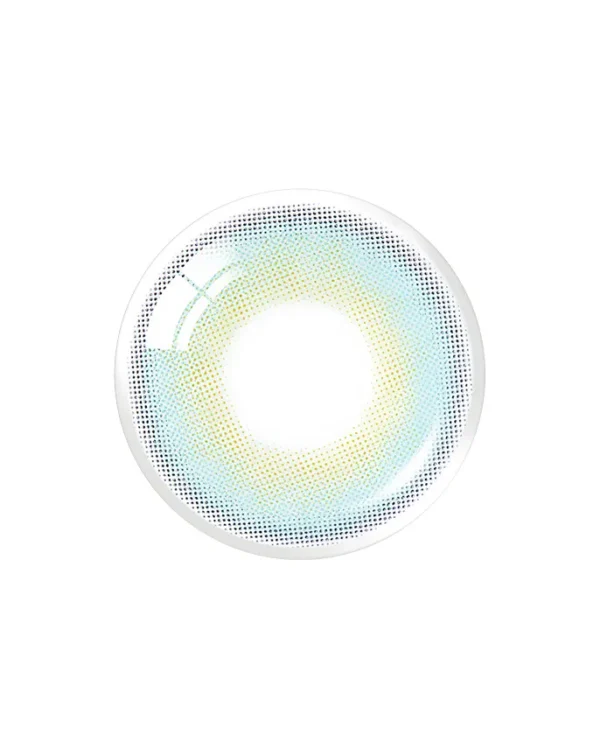





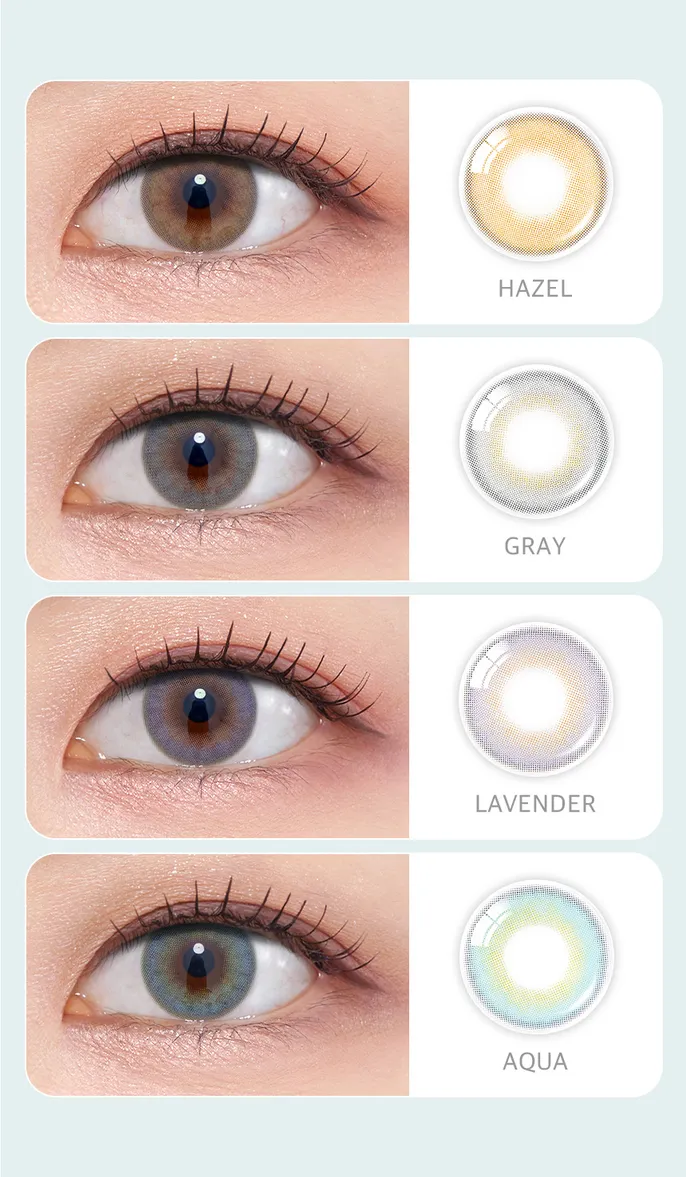

3 reviews for Olens French Shine Aqua Colored Contact Lenses (1Day/10Pc) Olens x NewJeans